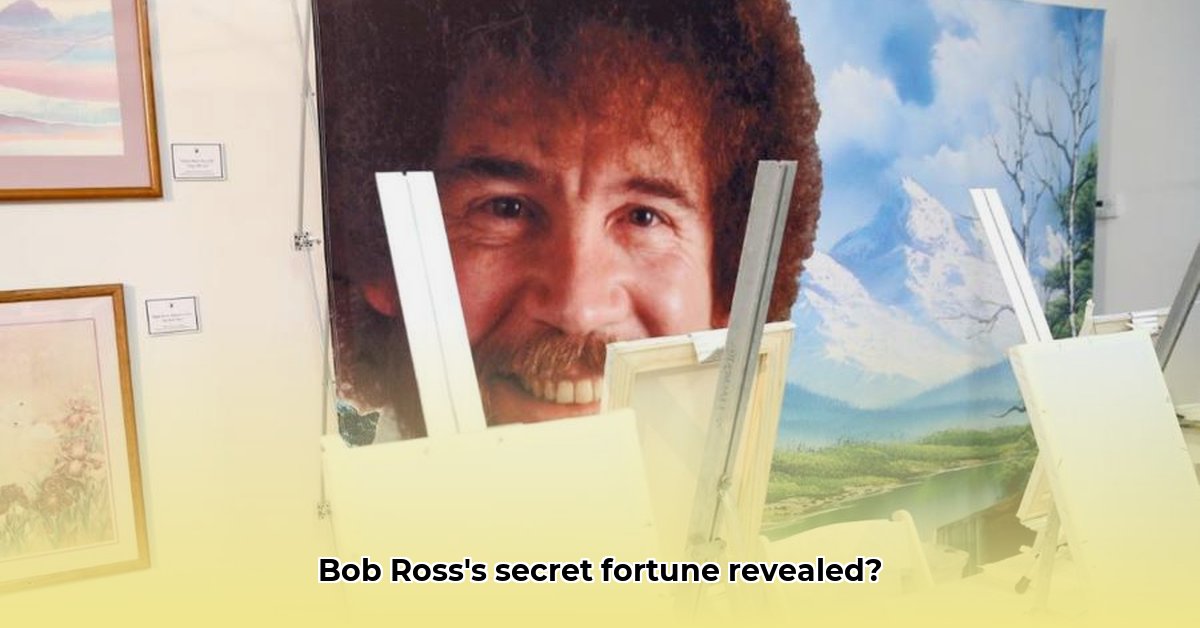
The Gentle Giant's Unexpected Fortune
Bob Ross, the painter synonymous with tranquil landscapes and "happy little trees," left behind a legacy far more complex than his soothing demeanor suggested. While initial estimations placed his net worth at approximately $1 million upon his death in 1995, the true value of his brand and intellectual property continued to grow exponentially, particularly in the digital age. This article delves into the fascinating post-mortem evolution of Bob Ross's wealth, exploring the legal battles, business decisions, and unexpected streaming success that shaped his remarkable posthumous financial empire.
More Than Just Paint: The Power of the Brand
Bob Ross transcended the role of a mere painter; he became a globally recognized brand. His distinctive artistic style, calming voice, and the iconic "Joy of Painting" television show cemented an image that resonates with millions. His likeness, painting techniques, and even the phrase "happy little trees" transformed into highly valuable intellectual property assets. While initially underestimated, this intangible value proved to be the cornerstone of his posthumous financial success. The paintings themselves held value, but the Bob Ross brand—the persona, method, and the emotional connection he cultivated—proved exponentially more lucrative. This distinction forms the crux of the complex legal narrative that unfolded after his passing.
The Kowalski Connection: A Business Partnership Gone Complex
The story of Bob Ross’s financial legacy is inextricably linked to his business partners, Walt and Annette Kowalski. Following his death, they assumed control of Bob Ross Inc. (BRI), a decision that sparked significant controversy and legal challenges from Ross’s son, Steve. The details surrounding the transfer of ownership and subsequent legal disputes remain a subject of ongoing debate and interpretation. Some view the Kowalskis' actions as a shrewd business maneuver, while others perceive it as a less-than-ethical acquisition of a valuable asset. The narrative is multifaceted, and differing interpretations hinge heavily on perspective and the specific sources consulted.
Dissecting the Estate: Assets, Liabilities, and a Streaming Surprise
Precise figures regarding the distribution of Bob Ross's wealth remain obscured due to the confidential nature of the legal proceedings. However, the most valuable asset undoubtedly proved to be BRI itself. The company held exclusive rights to Ross's image, techniques, and the entire library of "Joy of Painting" episodes. These rights generated substantial income primarily through licensing agreements for merchandise and, critically, through digital streaming platforms. The resurgence of his show on platforms such as Netflix and YouTube proved pivotal, triggering a dramatic increase in licensing requests and merchandise sales. This unexpected surge in popularity significantly altered the initial assessment of his estate's value, far exceeding any initial projections.
Lessons Learned: Protecting Your Artistic Legacy
The Bob Ross saga serves as a compelling case study for artists worldwide, emphasizing the critical need for robust legal counsel and meticulously drafted ownership and licensing agreements. Without proactive planning, an artist's legacy – and its inherent financial potential – risks becoming entangled in protracted legal conflicts. This situation underscores the vital importance of understanding the true value of one’s intellectual property and taking proactive steps to safeguard those rights to ensure the long-term benefit of their families and heirs.
The Future of Happy Little Trees: An Ongoing Saga
The legal battles surrounding Bob Ross's estate continue to unfold. While BRI benefits from his enduring popularity, the ongoing debate about the equitable distribution of his assets and the brand's future raises fundamental questions regarding the delicate balance between commercial success and the preservation of an artist's creative vision. The story offers a timely reminder of the importance of meticulous long-term planning, highlighting how the valuation of a legacy extends far beyond initial estimations and continues to evolve over time.
How to Legally Protect Artistic Intellectual Property
Key Takeaways:
- Pre-death business agreements profoundly impact post-mortem estate distribution. Ineffective legal strategies can lead to expensive and protracted legal challenges.
- Protecting artistic intellectual property requires an integrated approach, combining carefully crafted business contracts and comprehensive estate planning.
- The digital landscape significantly increases the complexity of intellectual property valuation; streaming and merchandise can dramatically augment brand value.
- A thorough understanding of trademark, copyright, and contract law is crucial for safeguarding artistic intellectual property.
The Bob Ross Empire: A Post-Mortem Valuation
Bob Ross's soothing persona and artistic style captivated millions. His enduring legacy, however, extends far beyond his artistic talent, encompassing complex business agreements, estate planning intricacies, and the ensuing legal battle for control over his intellectual property. What lessons can we glean from this case, and how can artists safeguard their own legacies?
The significant post-mortem surge in the value of Bob Ross's work is undeniable, with his painting tutorials achieving immense popularity on streaming platforms and generating substantial merchandise sales. However, this success was marred by a protracted legal dispute over the ownership of his intellectual property, with his son, Steve Ross, alleging the estate was defrauded. This case vividly illustrates the crucial need for meticulous legal planning in protecting artistic intellectual property.
The Legal Landscape: Contracts vs. Wills
The conflict stemmed from a business agreement Bob Ross had signed before his death, which granted significant control over his intellectual property to Annette and Walt Kowalski. This agreement directly contradicted the intentions presented in his will, creating a conflict that ultimately favored the former business partners. This scenario highlights a significant vulnerability for artists: the potential discrepancy between business agreements and estate planning. The need for harmonizing these crucial legal documents from the inception is paramount.
Protecting Your Artistic Legacy: Steps to Take
Effective protection of intellectual property requires proactive, strategic planning. Artists should consider the following steps:
- Secure Intellectual Property Rights: Register copyrights and trademarks for your artwork, brand name, and unique artistic style to establish legal ownership.
- Comprehensive Contracts: Crystallize ownership of intellectual property in all business agreements with the assistance of legal counsel.
- Integrated Estate Planning: Incorporate intellectual property protection into your estate planning documents, carefully aligning them with existing commercial contracts to prevent future disputes.
- Regular Review: Periodically review your contracts and estate plan, adapting to changing circumstances and market conditions with continued legal counsel.
- Digital Rights Management: In the digital age, control over your work's online use is paramount. Establish clear licensing and usage terms for online platforms.
The Bob Ross Case: A Cautionary Tale
The Bob Ross case stands as a pivotal warning. His posthumous success shockingly revealed the shortcomings in his legal planning. The legal battle not only consumed significant resources in legal fees but also drastically diminished the family's ability to fully benefit from his enduring legacy. This case underlines the paramount importance of clear and comprehensive legal planning, particularly in protecting artistic intellectual property. Understanding the legal implications of contracts is crucial, requiring the advice of legal professionals specializing in intellectual property law and estate planning.